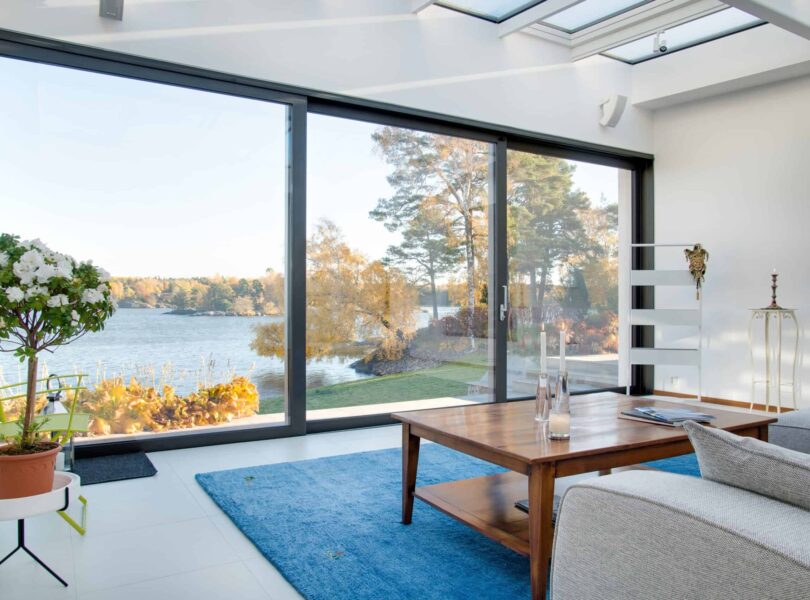
Windows
The Building Envelope Explained: Why Windows, Waterproofing, and Structure Must Work Together
Most building failures don’t start with dramatic events.
They begin quietly—behind walls, around windows, beneath sealants—where small gaps in coordination allow air, water, and movement to do damage over time. By the time symptoms appear, the problem is no longer isolated.
That’s because a building doesn’t perform as a collection of parts. It performs as a system.
This system is known as the building envelope—and when it’s misunderstood or fragmented, buildings suffer.
What Is the Building Envelope?
The building envelope is the physical barrier between the interior of a building and the outside environment.
It includes:
Windows and doors
Walls and cladding
Sealants and flashing
Air and water barriers
Expansion joints
Structural interfaces
Together, these elements control:
Water intrusion
Air movement
Thermal performance
Sound transmission
Structural movement
If one component fails—or is installed without regard for the others—the entire system is compromised.
The Problem: Systems Are Often Designed and Built in Silos
One of the most common causes of envelope failure is fragmented responsibility.
Windows are specified separately. Waterproofing is installed later. Structural transitions are assumed to “work themselves out.” Each trade focuses on its scope, not the system as a whole.
The result?
Gaps in responsibility
Conflicting materials
Improper sequencing
Unclear detailing
Failed performance despite quality products
When systems don’t align, the envelope fails.
Why Windows Are the Most Vulnerable Envelope Component
Windows are penetrations in the envelope by definition.
They interrupt walls, cladding, and air barriers. They introduce movement, expansion, and connection points. They must resist water, air, sound, and structural loads simultaneously.
Without proper integration:
Water bypasses flashing
Air leaks increase energy loss
Movement cracks sealants
Noise penetrates interiors
Windows don’t fail alone—the surrounding system does.
Waterproofing Is the Connector Between Systems
Waterproofing isn’t a finish—it’s connective tissue.
Sealants, membranes, and coatings link windows to walls, slabs, and structural elements. If these connections aren’t compatible or properly sequenced, water finds a path.
In mid-rise and high-rise buildings especially, small waterproofing failures can affect multiple floors and units before detection.
Movement Is the Enemy of Rigid Thinking
Buildings move.
Thermal expansion, wind loads, seismic forces, and settling all introduce movement. Envelope systems must accommodate this movement without cracking, separating, or tearing.
Rigid details fail. Flexible systems succeed.
That’s why expansion joints, sealant selection, and installation technique matter just as much as product choice.
Why Installation Is the Deciding Factor
Even the best-designed envelope can fail in the field.
Installation errors—missed primers, incorrect fasteners, rushed sequencing, incompatible materials—are responsible for the majority of envelope failures.
Once finishes are in place, these errors are hidden but active.
Quality installation isn’t about speed. It’s about understanding how systems interact and protecting that interaction at every step.
The Cost of Envelope Failure
When envelope systems fail, the consequences escalate quickly.
Owners may face:
Recurring leaks and interior damage
Mold and indoor air quality issues
Tenant complaints and vacancies
Insurance disputes
Structural deterioration
Loss of asset value
These problems are expensive, disruptive, and difficult to trace after the fact.
The Case for a Systems-Based Approach
Buildings that perform well over time share one thing in common: envelope coordination.
A systems-based approach means:
Early collaboration between trades
Clear detailing and sequencing
Compatible materials
Proper testing and verification
Accountability across scopes
This approach reduces risk, improves performance, and extends building lifespan.
Why AFR Windows Thinks in Systems
AFR Windows doesn’t treat windows as isolated components.
We work at the intersection of:
Fenestration
Waterproofing
Structural interfaces
Code compliance
Installation sequencing
By understanding how these systems work together, we help prevent failures before they happen—and deliver buildings that perform as intended.
Proactive Envelope Strategy Protects Long-Term Value
The most successful building owners don’t wait for envelope failures. They assess, plan, and invest proactively.
System-level evaluations, targeted upgrades, and professional installation protect assets and stabilize operating costs over time.
The Bottom Line: Buildings Perform as Systems—or They Fail
There’s no such thing as a “window problem” or a “sealant problem” in isolation.
There is only envelope performance—or envelope failure.
Understanding how windows, waterproofing, and structure work together is the key to building longevity, safety, and value.
Ready to Take a Systems-Based Approach?
If your building has recurring issues, aging systems, or upcoming upgrades, AFR Windows can help you assess and strengthen your envelope—before small problems become major ones.
📞 Schedule an envelope consultation
📐 Request a system-level evaluation
🏢 Build smarter, stronger, and more resilient